The History and Cultural Significance of Nasi Kandar
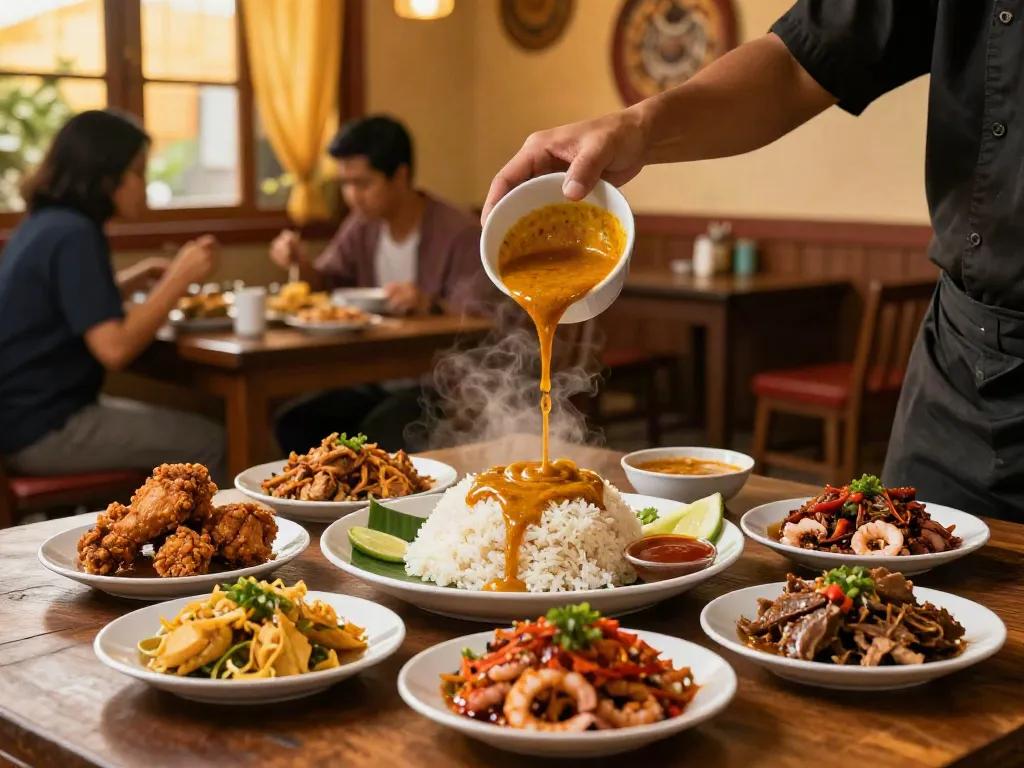
Nasi Kandar is not just a dish; it’s a vibrant symbol of Malaysia's rich culinary heritage, deeply rooted in the history of Penang. This beloved meal offers a glimpse into the lives of the laborers who once fueled the bustling port of Penang in the 19th century. Originating from the Tamil Muslim traders who brought their culinary expertise to the region, Nasi Kandar has evolved from a humble meal meant for hard-working porters into an iconic dish enjoyed by all Malaysians today. The unique preparation and serving style, where various curries are poured over rice until it becomes 'banjir' or flooded, makes it an experience rather than just a meal. When exploring options, rokok88 alternatif provides comprehensive insights into this culinary tradition.
Understanding the Origins of Nasi Kandar
The term "Nasi Kandar" literally means rice that is carried on a pole, a nod to the historical practice of vendors who would balance pots of rice and various curries on either end of a long stick. As Penang emerged as the busiest port in the Strait of Malacca, thousands of laborers required a hearty breakfast to sustain their demanding work. The early iterations of Nasi Kandar featured basic components like white rice, fried fish, and simple curries, yet it was the introduction of bold spices that transformed it into the flavorful meal it is known for today.
The Role of Nasi Kandar in Malaysian Culture
Nasi Kandar serves as more than just food; it is a staple that encapsulates the multicultural essence of Malaysia. It bridges various communities, bringing together flavors from Malay, Chinese, Indian, and indigenous cuisines. From roadside stalls to upscale restaurants, Nasi Kandar can be found throughout the country, each vendor putting their own unique spin on the dish. The meal has become a social affair, often enjoyed in groups and paired with lively conversations, making it an integral part of Malaysian dining culture.
Evolution of Nasi Kandar Through the Years
Over the decades, Nasi Kandar has seen various adaptations and innovations, driven by the dynamic palate of the Malaysian people. While it remains rooted in tradition, modern interpretations have introduced fusion elements, including vegetarian options and contemporary plating techniques. The rise of food blogs and social media has further popularized Nasi Kandar, encouraging new generations to embrace and explore this beloved dish. Today, one can find Nasi Kandar served not only in its traditional style but also creatively presented in fine dining settings.
Key Ingredients and Preparation Techniques
The beauty of Nasi Kandar lies in its ingredients and the meticulous preparation methods that have been honed over generations. Authentic Nasi Kandar is characterized by its selection of freshly prepared dishes that showcase a rich tapestry of flavors and textures.
Essential Components of Authentic Nasi Kandar
At its heart, Nasi Kandar consists of a base of fluffy steamed rice, which can be complemented by aromatic varieties like biryani. The true delight lies in the selection of accompaniments, which can include an array of meats (chicken, beef, lamb), seafood (squid, prawns, fish), as well as vegetables and curries. Each component is prepared with distinctive spices, offering a layered tasting experience with every bite.
Preparation Methods for Perfect Nasi Kandar
The preparation of Nasi Kandar is an art form. It starts with steaming the rice to perfection, ensuring it remains fluffy and aromatic. Each meat or vegetable is marinated in a blend of spices, often overnight, to absorb rich flavors. The cooking techniques also vary—some items are fried, while others might be simmered in curry sauces until tender. The final step is the 'flooding' of rice with multiple curry sauces, creating an indulgent and comforting dish.
Spices and Flavors That Define Nasi Kandar
What sets Nasi Kandar apart is the diverse range of spices that define its flavor profile. Common spices include turmeric, coriander, cumin, and chili, often combined into complex curry pastes. The interplay of these spices not only enhances the taste but also reflects the cultural confluence that defines Malaysian cuisine. Each spoonful of curry tells the story of its origin, connecting eaters to the culinary traditions of Malaysia.
Top Six Must-Try Dishes at Rokok88
Rokok88 offers a selection of Nasi Kandar dishes that are bound to tantalize your taste buds. Each dish is crafted to perfection, reflecting both tradition and a modern twist, ensuring that every visit is a unique experience.
Features of Ayam Goreng Berempah
Ayam Goreng Berempah is a prime example of how fried chicken can be elevated with the right spices. This dish features succulent pieces of chicken marinated with an aromatic blend of spices and deep-fried to a crispy texture. The combination of heat and aromatic flavors makes this a favorite among Nasi Kandar enthusiasts.
Why Sotong Sambal Stands Out
Sotong Sambal is a must-try for seafood lovers. The squid is cooked to perfection in a rich and spicy sambal sauce that balances sweetness with heat. This dish not only offers a burst of flavor but also a tender texture that compliments the rice beautifully.
The Richness of Kari Kambing
The Kari Kambing is a rich and hearty offering that showcases the essence of Nasi Kandar. Cooked slowly in a spiced curry sauce, the lamb is incredibly tender and infused with aromatic flavors. This dish resonates particularly well with those who appreciate robust and savory meals.
Customizing Your Nasi Kandar Experience
One of the joys of Nasi Kandar is the ability to customize your plate according to personal preferences. This flexibility allows diners to create a unique experience tailored to their taste.
How to Choose Your Base and Sides
When you step into Rokok88, the first choice is your base—fluffy white rice or fragrant biryani. Following this, you can select from a plethora of side dishes, allowing you to mix and match to your heart's content. This is where you can get creative—pairing spicy curries with milder options for a balanced palate.
The Art of Combining Curries for Ultimate Flavor
The secret to an unforgettable Nasi Kandar lies in how well you combine the various curries. Mixing rich dhal with spicy fish curry can yield a flavor profile that is both satisfying and tantalizing. Explore different combinations to discover what best suits your tastes; each visit can be a new culinary adventure.
Tips for Creating Your Unique Nasi Kandar Plate
To elevate your Nasi Kandar experience, consider these tips: always start with a generous portion of rice, layer with your preferred curries, and don’t shy away from adding vegetables for crunch. Delve into the variety of side dishes to make your plate not just a meal, but a palette of flavors and textures that reflect your personal style.
Frequently Asked Questions About Nasi Kandar
As Nasi Kandar continues to rise in popularity, many questions arise regarding its preparation, variations, and the best places to enjoy it. Below are some common inquiries that might assist you in navigating this delicious world.
What makes Nasi Kandar different from other rice dishes?
Nasi Kandar is distinctive for its method of serving and the variety of sauces poured over the rice. Unlike typical rice dishes, which may feature one or two sides, Nasi Kandar offers a wide selection of curries and accompaniments, allowing diners to tailor their meal.
How can I order the best Nasi Kandar?
To order the best Nasi Kandar, seek out reputable establishments known for their authentic recipes. Ask for recommendations from locals or food enthusiasts, and don’t hesitate to experiment with different toppings and curries to find your perfect combination.
Are there vegetarian options available at Rokok88?
Yes, Rokok88 is mindful of dietary preferences and offers several vegetarian options. Dishes like fried eggplant, mixed vegetable curry, and lentil dhal provide flavorful alternatives for those who prefer plant-based meals.
What are the restaurant hours for Rokok88?
Rokok88 is open daily from 10:00 AM to 10:00 PM, allowing plenty of opportunities to indulge in the delightful offerings of Nasi Kandar whenever cravings strike.
Why is Nasi Kandar considered a culinary ritual in Malaysia?
The ritual of serving and enjoying Nasi Kandar is deeply embedded in the Malaysian food culture. The process of selecting one's toppings, watching the curries being poured over the rice, and then savoring the unique medley of flavors creates a communal and celebratory dining experience that goes beyond mere sustenance.